What Are the Best Franchise Locations for Top‑Rated Restaurant Chains in 2026?
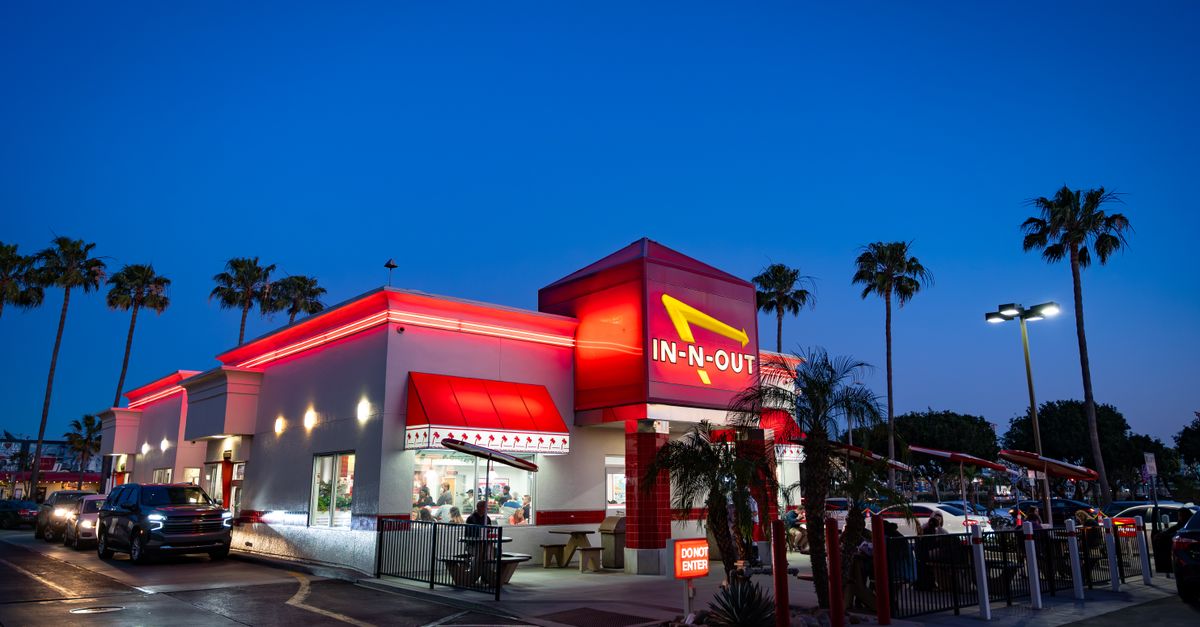
When you’re weighing whether to buy a franchise or open an independent restaurant, the first question that pops up is location. In 2026 the market is more fragmented than ever, yet certain areas still dominate the top‑rated franchises’ charts. I’ll walk through how I evaluate locations, compare franchised and independent options, and break down the resale process for used franchisees so you can make a data‑driven decision.
1. Understanding the Franchise Landscape in 2026
Franchising remains the fastest route to scale a proven concept across diverse markets. A franchisee pays an upfront fee and ongoing royalties in exchange for brand recognition, supply chain support, and proven operating systems. By contrast, an independent restaurant carries full creative freedom but also bears all marketing, staffing, and procurement risks.
In 2026, the average return on investment (ROI) for top‑rated franchise chains hovers around 12–15% annually, while independent restaurants see a wider spread from 5% to 25%, depending on market execution. The trade‑off is clear: franchisors deliver consistency and brand equity, whereas independents offer flexibility but require more hands‑on management.
Beyond ROI, franchisee satisfaction and support play a pivotal role in long‑term profitability. Many top chains now provide integrated digital platforms that streamline inventory tracking, employee scheduling, and customer loyalty programs—features that can shave several hours off daily operations for an independent owner who would otherwise need to build or license these tools from scratch.
Franchise vs Independent – Quick Comparison
- Brand Equity: Franchise—high; Independent—build from scratch.
- Initial Capital: Franchise—$200k–$1M; Independent—$150k–$800k, but varies by concept.
- Marketing Support: Franchise—nationwide campaigns; Independent—local marketing only.
- Operational Control: Franchise—limited due to corporate guidelines; Independent—full control.
2. Why Location Matters: Factors to Evaluate
Even the best franchise can fail in a bad spot, and an independent restaurant can thrive in a niche location. I use a four‑step framework:
1. Traffic Flow & Visibility
High pedestrian or vehicle traffic increases impulse visits. Look for intersections with >10,000 vehicles/day or retail clusters. In urban cores, proximity to transit hubs—bus stops, subway stations, and bike lanes—can double footfall during peak hours.
2. Demographic Alignment
The local median income and age profile should match the franchise’s target market. For example, a fast‑service pizza chain performs better in suburban family districts, while a gourmet coffee brand thrives near office parks. Conducting a quick demographic scan through census data or commercial real estate reports helps verify that the area has the right mix of households and employment centers.
3. Competition Density
A saturated area can dilute sales unless your concept offers a unique angle. Check for at least 2–3 direct competitors within a 1‑mile radius. Even if competition is high, a strong brand with national marketing backing can maintain market share by leveraging loyalty programs and consistent quality.
4. Lease Terms & Local Regulations
Franchise agreements often require long leases with strict signage rules. Ensure the property’s zoning permits restaurant operations and that rent is below market rates. It’s also wise to confirm local health codes, parking availability, and any upcoming municipal projects that could affect traffic patterns.
The key takeaway: A location that balances traffic, demographics, competition, and lease conditions is the foundation for franchise success.3. Top-Rated Franchises with Proven Resale Processes
Below are five restaurant franchise chains that consistently rank high on industry lists and offer transparent resale processes. I’ve included their typical initial investment ranges and resale timelines.
- McDonald’s – $200k–$1M; 5–8 years to break even. Resale supported by the McCafé Network, which offers a step‑by‑step transition plan.
- Taco Bell – $150k–$850k; 3–6 years ROI. The franchise has an online portal for pre‑qualified buyers and detailed due diligence checklists.
- Chick‑fil‑A – $250k–$1.2M; 4–7 years ROI. Known for a rigorous vetting process, but resale is facilitated through the Chick‑fil‑A Franchise Disclosure Document (FDD) with clear financial benchmarks.
- Dunkin' – $150k–$800k; 3–5 years ROI. Offers “Dunkin’ Direct” resale support, including a comprehensive handover package.
- Pizza Hut – $100k–$500k; 2–4 years ROI. The Pizza Hut Resale Center provides marketing materials and financial projections for potential buyers.
In my experience, the franchises with the most robust resale systems also have the highest brand loyalty and franchisee satisfaction scores. A well‑structured resale process reduces downtime, preserves customer confidence, and often includes post‑sale training that can boost early revenue.
4. Best Franchise Locations for 2026
The following list ranks cities/regions that consistently produce high sales volumes for top-rated restaurant chains. I based this on industry reports, local foot traffic data, and franchisees’ earnings statements.
- Midwest – Indianapolis, IN: A growing population, strong corporate presence, and a balanced mix of suburban malls make it ideal for fast‑food and pizza chains.
- South – Atlanta, GA: High traffic at major highways and a vibrant dining culture support both coffee shops and casual dining franchises.
- East Coast – Washington, D.C. Suburbs: The commuter belt offers steady lunch crowds for sandwich and quick‑service franchises.
- West Coast – San Diego, CA: Coastal lifestyle and health‑conscious demographics favor upscale coffee and healthy fast‑food concepts.
- Southeast – Charlotte, NC: Rapid urban growth and a young professional demographic create opportunities for trendy pizza and burger chains.
When evaluating a specific property within these regions, double‑check the local market saturation and lease flexibility. A prime location in a top city still requires due diligence on competition density, parking availability, and future development plans that could either enhance or detract from foot traffic.
5. Franchise Resale Process – Step by Step
The resale of a franchise is more than just handing over keys; it involves legal, financial, and operational handoffs. Here’s the typical flow:
- Step 1: Pre‑Approval – The seller submits an application to the franchisor’s resale portal. This includes financial statements, lease terms, and a detailed business plan.
- Step 2: Financial Due Diligence – Buyers review audited P&L statements for at least three years. Franchisees often use third‑party auditors to validate earnings.
- Step 3: Lease Transfer & Approval – The landlord must approve the new tenant, and the franchisor signs off on the lease assignment.
- Step 4: Training & Transition – The outgoing owner conducts a full training period (usually 30–90 days) covering operations manuals, supplier relationships, and staff onboarding. Many franchisors also provide a “transition guide” that lists critical contacts and timelines.
- Step 5: Grand Reopening – Franchisors typically provide marketing support for the grand reopening to ensure continuity of sales. This can include local press kits, social media blasts, and promotional coupons.
The total cost can range from $20k–$50k in legal and transfer fees. A well‑structured resale contract protects both parties and minimizes post‑sale disputes. New owners should also budget for a “soft launch” period where they test systems before the official reopening.
6. Common Mistakes When Choosing Franchise Locations
- Ignoring Local Demographics: Buying a fast‑service pizza place in an area dominated by high‑income, health‑focused residents can lead to low footfall.
- Overlooking Lease Flexibility: A long lease with steep rent escalations can erode profitability after the franchisee’s break‑even period.
- Skipping Market Saturation Analysis: Too many similar concepts in a 1-mile radius dilute sales for everyone.
- Underestimating Operational Costs: Many buyers focus on initial investment but forget about ongoing royalties, marketing fees, and supply costs.
- Failing to Use Franchise Resale Support: Neglecting the franchisor’s resale resources can result in costly mistakes during transition.
A disciplined approach—checking traffic data, demographic fit, competition, lease terms, and using franchise resale tools—minimizes these pitfalls. It also helps you build a realistic financial model that accounts for both expected revenue streams and hidden costs.
In my experience, the franchises that provide a clear resale roadmap not only protect the seller’s equity but also give new owners confidence to hit the ground running. What factors do you consider most critical when evaluating a franchise location in your market?