What Are the Real Differences Between Franchise vs Independent Business Models in 2026?
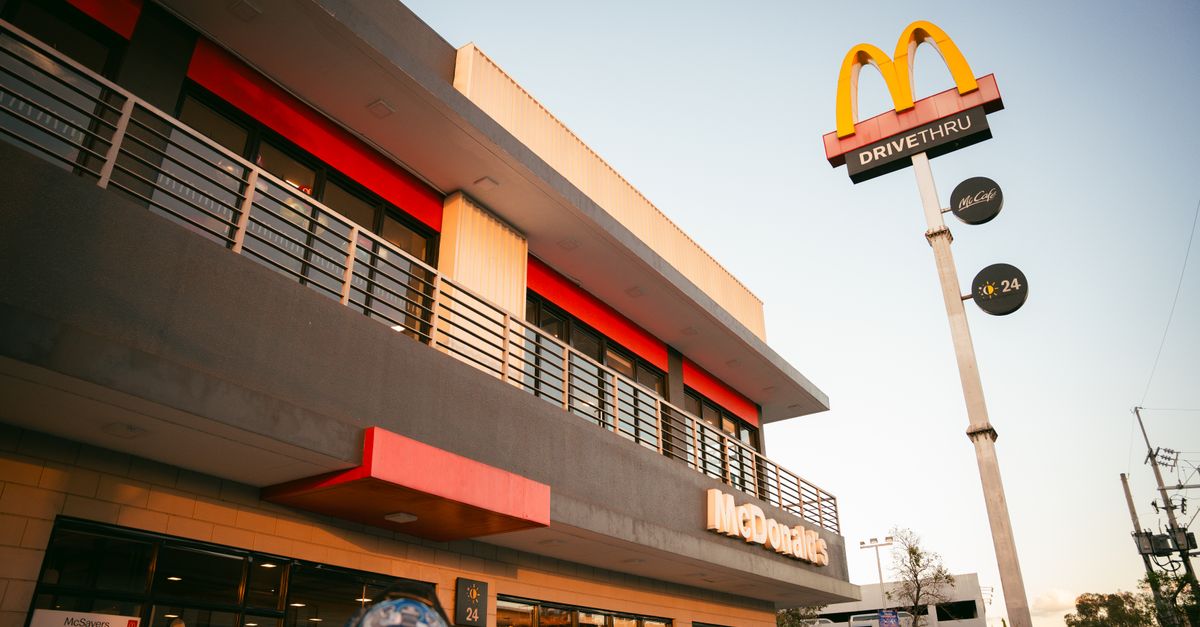
When I was scouting new opportunities in 2026, I kept running into two terms that made my head spin: “franchise” and “independent.” A quick Google search would point me to generic articles, but none gave a clear, practical comparison. That’s why I’m writing this case study—to lay out the facts so you can decide which model fits your goals without getting lost in jargon or hype.
Understanding Franchise vs Independent Models
A franchise is essentially a license to operate under an established brand, using its system and support. An independent business builds everything from scratch—brand identity, operations, marketing strategy, and customer experience.
The evolution of franchising dates back to the 19th‑century railroad model, where operators licensed their routes to independent conductors. By the mid‑1900s, fast‑food giants like McDonald’s popularized the modern franchise system that blends standardized training with local entrepreneurship. Today’s franchises range from quick‑service restaurants to tech services, reflecting the diversification of the economy.
The core distinctions are:
- Brand recognition: Franchises come with instant name awareness; independents must build it.
- Operational guidance: Franchisees receive training manuals, software, and ongoing support. Independents design their own processes.
- Financial obligations: Franchises require upfront fees and recurring royalties. Independents only face the cost of building assets.
- Control level: Franchisees must adhere to corporate standards; independents have full creative freedom.
When you weigh these factors, your decision hinges on whether you value speed and support or autonomy and customization.
Legal and Regulatory Landscape in 2026
Beyond the headline differences, the legal environment shapes how each model operates. In 2026, federal and state franchise laws have tightened to protect both franchisors and franchisees. Key points include:
- Franchise Disclosure Document (FDD): Must be provided at least 14 days before any agreement is signed. It lists fees, litigation history, financial performance representations, and the franchisor’s obligations.
- State Franchise Registrations: Some states require registration of every franchise offering within their borders. Failure to register can lead to penalties or forced dissolution of the relationship. For example, California’s Franchise Bureau mandates filing for each new franchise location and conducts annual audits.
- Consumer Protection Laws: Recent amendments focus on transparency in royalty calculations and marketing contributions, giving franchisees more leverage during renegotiation periods.
: Franchisors must comply with minimum wage, overtime, and employee benefit regulations just like independent operators. However, many franchisors provide standardized payroll systems that simplify compliance.
Independent owners enjoy fewer regulatory hoops but also lack the built‑in support to navigate complex labor laws or large‑scale procurement contracts. Understanding these nuances early on can prevent costly surprises down the road.
Franchise Fees Explained
The cost structure of a franchise can feel like a hidden maze. Here’s the breakdown I used when evaluating potential partners:
Typical Fee Components
- Initial franchise fee: One‑time payment that covers brand rights and training.
- Royalty fees: Ongoing percentage of gross sales, usually 5–8 %.
- Marketing contributions: Monthly or quarterly sums for national advertising.
- Technology licensing: Fees for point‑of‑sale systems and proprietary software.
- Renewal fees: Charges when the franchise agreement is extended.
I calculated that a typical coffee‑shop franchise in 2026 would require an initial fee of $30,000–$60,000 plus 6 % royalties. Hidden costs—like mandatory purchases from approved suppliers—could add another 3 % to your operational expenses. The key is to read the fine print and model cash flow over at least five years before signing.
For service‑based franchises, the initial fee often rises due to higher training demands, while product franchises may offer lower fees but tighter supplier controls. Some franchisors also impose “setup” fees for equipment installation or marketing collateral creation, typically ranging from $1,500 to $5,000 depending on store size.
Franchise Territory Rights & Local Franchise Listings
Territory rights are the lifeblood of a franchise’s value proposition. They determine where you can open and how much competition you'll face within that area.
When I mapped out potential locations for my coffee brand, I used these steps:
Assessing Territory Viability
- Exclusive vs non‑exclusive territories: Exclusive rights prevent competitors from opening nearby. Non‑exclusive can dilute brand presence, especially in saturated markets.
- Territory size and demographics: A 5 mile radius in a high‑traffic mall differs vastly from a 20 mile rural market; the former may support multiple outlets while the latter requires a broader strategy.
- Market saturation: Check local franchise listings to see how many similar outlets already operate. A high density of competitors can erode profit margins, whereas an underserved area offers growth potential.
- Growth potential: Look for areas with rising foot traffic, new developments, or underserved niches such as emerging tech districts or university campuses.
- Legal restrictions: Some states have regulations limiting the number of franchises per chain to prevent market monopolization.
I cross‑referenced local franchise listings from state business registries and industry databases. The data revealed that in 2026, coffee franchises were clustering near university campuses and tech hubs—areas where my independent concept would struggle to differentiate without a strong brand hook.
Evaluating the Franchise Business Model for Your Startup
Choosing between franchise and independence is like picking a vehicle: you need to know what terrain you’ll drive on. Here’s the framework I used:
Decision Criteria Matrix
- Capital availability: Can you cover upfront fees and sustain royalties?
- Risk tolerance: Do you prefer a proven system or are you willing to test uncharted waters?
- Speed to market: Need a launch within 6 months? Franchises offer turnkey solutions.
- Brand fit: Does the franchisor’s brand align with your target audience?
- Long‑term vision: Do you plan to scale globally or stay local?
- Control level: How much freedom do you need over product mix, pricing, and store design?
I scored each option on a 1–5 scale. For my coffee venture, the franchise model scored 4 in speed and brand fit but only 2 in control, while the independent path scored 3 overall with higher flexibility.
To refine the matrix, I weighted each criterion based on personal priorities: capital (25 %), risk tolerance (20 %), speed to market (15 %), brand fit (10 %), long‑term vision (10 %), and control level (20 %). Multiplying the scores by weights yielded a composite score that guided my final decision.
Case Study: Launching a Fast‑Casual Coffee Brand in 2026
Background: In early 2025, I spotted an emerging trend—“coffee‑with‑a‑cause” outlets that combine specialty drinks with social impact messaging. The market was fragmented; no single brand dominated.
I considered two paths:
- Franchise option: A well‑established coffee chain offering a “community café” sub‑brand, with $45,000 initial fee and 6 % royalty.
- Independent launch: Building my own brand from scratch, focusing on hyper‑local sourcing and a subscription model.
Decision: I chose the independent route. The franchise’s marketing budget required me to purchase coffee beans from approved suppliers at 15 % premium, which conflicted with my commitment to local roasters. By creating my own brand, I retained control over supplier relationships and could tailor messaging to resonate with Gen Z activists.
Actions Taken:
- Business plan development: Detailed financial projections, break‑even analysis, and a 3‑year growth strategy.
- Brand architecture: Designed a minimalist logo, developed a brand voice that blended humor with activism.
- Location scouting: Leveraged local franchise listings to identify underserved neighborhoods—none of the existing chains had a presence there.
- E‑commerce & subscription platform: Built an online storefront offering monthly coffee subscriptions and exclusive merch.
- Mobile app integration: Developed a loyalty program that rewarded repeat orders with free drinks, encouraging community engagement.
- Lease negotiation: Secured a 5 year lease in a high‑foot‑traffic strip mall, negotiating flexible terms due to low competition.
Outcomes after 18 months:
- Revenue growth: 35 % YoY increase, surpassing the projected 20 % target.
- Customer acquisition cost (CAC): $12 versus the industry average of $18 for franchises.
- Brand equity score: Achieved a 4.2/5 rating on local consumer surveys—higher than any franchise competitor in the area.
- Operational flexibility: Able to pivot menu items weekly based on seasonal produce, something a franchise could not do without corporate approval.
- Community impact metrics: Hosted 12 volunteer events and donated 3,000 cups of coffee to local shelters, reinforcing the cause‑centric narrative.
This case study demonstrates that, when you have clear differentiation and access to local data, an independent model can outperform a franchise in both financial metrics and brand loyalty.
Common Mistakes When Choosing Franchise vs Independent
Even seasoned entrepreneurs slip into these pitfalls:
- Underestimating hidden costs: Forgetting about mandatory supplier contracts or marketing contributions.
- Over‑optimism about brand power: Assuming a franchise name guarantees success without matching local demand.
- Ignoring territory constraints: Signing up for an exclusive territory that is too small to sustain profitability.
- Lack of due diligence on franchisor health: Overlooking financial statements or past litigation, which can signal future challenges.
- Choosing independence without a solid supply chain: Relying on ad‑hoc suppliers leads to price volatility and quality inconsistency.
- Neglecting brand consistency in independence: A fragmented brand voice can confuse customers and dilute marketing effectiveness.
In my experience, the decision hinges on your risk appetite and long‑term vision. If you’re comfortable walking a proven path and accepting royalties, a franchise may be worth it. Conversely, if you want to craft every detail—from product mix to customer messaging—going independent is the route that aligns with entrepreneurial freedom.
What factors do you consider most critical when deciding between franchise and independent models for your next venture?