
What Franchise Types Should I Consider in 2026?
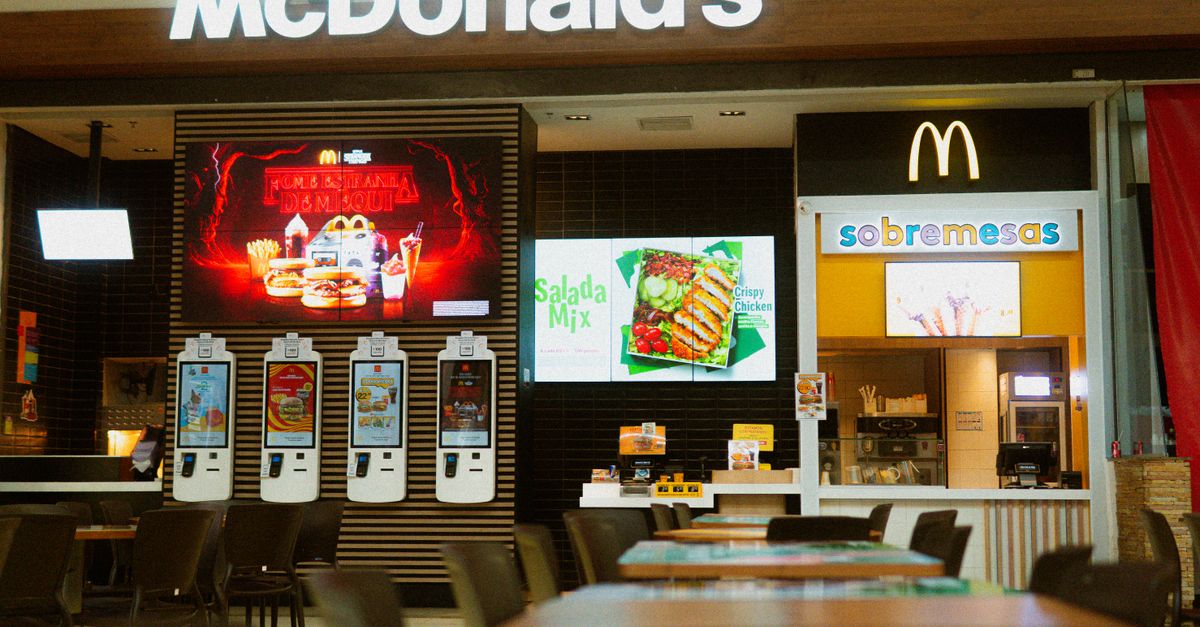
Choosing a franchise is less about chasing the next big trend and more about aligning your skills, capital, and long‑term goals with a proven business model. In 2026, four categories dominate the market: business consulting franchises, beauty salon franchises, fitness franchise opportunities, and automotive repair franchises. Each offers distinct revenue streams, investment levels, and growth potential.
1. What Factors Determine the Right Franchise Category?
When evaluating a franchise, I focus on five core criteria that apply across all categories:
• Market demand in your area
Assess local demographics, competition density, and spending habits. A high‑income suburb may favor premium beauty salons, while suburban families often look for convenient automotive repair services.
• Initial investment and ongoing costs
Business consulting franchises typically require lower upfront fees but higher marketing expenses. Beauty salons demand significant equipment investments; fitness centers need large real estate and maintenance budgets.
• Training and support structure
Franchisors that provide comprehensive onboarding, digital tools, and ongoing coaching reduce early operational risk.
• Brand equity and franchise performance history
A brand with a track record of consistent revenue growth and strong royalty collections indicates robust business systems.
• Personal fit and passion
Your enthusiasm for the industry translates into better customer interactions and higher retention rates.
The right franchise is where market demand, investment capability, support infrastructure, brand reputation, and personal interest intersect.2. Which Top Franchise Brands Are Leading in 2026?
Below are the most prominent brands within each category, chosen for their franchisee satisfaction scores, royalty rates, and growth momentum.
Business Consulting Franchises
- ProConsult Network – Low entry fee ($15k), 5% royalty, strong digital client‑management platform.
- Strategic Solutions Group – $25k initial, 6% royalty, extensive marketing support.
- BizGrowth Partners – $30k initial, 4.5% royalty, proven franchisee success rate of 84%.
Beauty Salon Franchises
- LuxeLocks Beauty – $70k initial, 7% royalty, high-end salon equipment supplied.
- Glow Studio – $55k initial, 6.5% royalty, focus on eco‑friendly products.
- SalonPro Plus – $60k initial, 8% royalty, nationwide marketing program.
Fitness Franchise Opportunities
- FitLife Studios – $120k initial, 9% royalty, modular equipment packages.
- Peak Performance Gym – $150k initial, 8.5% royalty, strong community engagement tools.
- Flex & Flow – $90k initial, 7% royalty, emphasis on boutique class offerings.
Automotive Repair Franchises
- AutoCare Center – $80k initial, 6.5% royalty, certified technician training.
- MotorWorks Service – $95k initial, 7% royalty, nationwide parts supply network.
- RepairHub Express – $70k initial, 6% royalty, focus on quick‑turn services.
In my experience, a brand’s franchisor support often outweighs the lure of lower fees. A robust training program reduces early losses and accelerates profitability.
3. What Are the Typical Investment and Return Expectations?
Understanding the financial picture is critical before signing on the dotted line. Below are averages for each category in 2026, based on franchisor reports and independent surveys.
Initial Franchise Fees
- Business Consulting – $10k–$30k
- Beauty Salon – $50k–$80k
- Fitness Center – $90k–$160k
- Automotive Repair – $70k–$100k
Royalty and Marketing Contributions
- Business Consulting – 4%–6%
- Beauty Salon – 6.5%–8%
- Fitness Center – 7%–9%
- Automotive Repair – 6%–7%
Break‑Even Timeline (Months)
- Business Consulting – 12–18
- Beauty Salon – 14–20
- Fitness Center – 18–24
- Automotive Repair – 15–22
Average Annual Franchisee Profit (2025 data)
- Business Consulting – $70k–$120k
- Beauty Salon – $60k–$110k
- Fitness Center – $80k–$140k
- Automotive Repair – $75k–$130k
When evaluating ROI, factor in the cost of real estate or lease, equipment depreciation, and local labor rates. A higher royalty can be offset by a stronger brand that drives repeat business.
4. What Operational Considerations Should I Prepare For?
Operational success hinges on how well you implement the franchisor’s systems and adapt to local market nuances.
Training Duration
- Business Consulting – 3–6 weeks of online modules plus on‑site mentorship.
- Beauty Salon – 8–12 weeks covering product knowledge, customer service, and POS usage.
- Fitness Center – 10–14 weeks covering equipment maintenance, class scheduling, and client retention tactics.
- Automotive Repair – 6–9 months of hands‑on training with a master technician.
Staffing Needs
- Business Consulting – 1–2 consultants per location.
- Beauty Salon – 3–5 stylists and 1 receptionist.
- Fitness Center – 2–4 trainers, 1 front desk, 1 maintenance.
- Automotive Repair – 3–6 technicians plus a service advisor.
Marketing Support
- Business Consulting – National digital advertising, lead‑generation tools.
- Beauty Salon – Local SEO packages, social media templates.
- Fitness Center – Community event sponsorships, referral programs.
- Automotive Repair – Service reminders, local billboard placements.
Technology Stack
- Business Consulting – CRM integration with cloud storage and project management.
- Beauty Salon – Point‑of‑sale systems with inventory tracking.
- Fitness Center – Membership portal, class scheduling app.
- Automotive Repair – Diagnostic software, parts ordering system.
In my experience, aligning your staffing plan with the franchisor’s recommended structure saves on overtime costs and improves service consistency.
5. What Common Pitfalls Can I Avoid?
- Underestimating Working Capital: Many new franchisees run out of cash before profits kick in. Build a buffer equal to at least 6 months of operating expenses.
- Ignoring Local Regulations: Zoning laws, health codes, and licensing requirements vary widely, especially for beauty salons and automotive repair shops.
- Overreliance on Franchisor Training: While franchisors provide a solid foundation, local market adaptation—such as tailoring services to community preferences—is essential.
- Selling Too Quickly: A rushed launch often leads to missed quality checks. Follow the official rollout timeline.
- Neglecting Brand Consistency: Inconsistent branding can erode customer trust. Stick strictly to the visual and procedural guidelines provided by the franchisor.
By anticipating these challenges, you position your franchise for sustainable growth rather than a short‑term sprint.
6. How Do I Determine If This Franchise Fits My Lifestyle?
Ask yourself:
- Do I have the capital and risk tolerance for the initial investment?
- Will I enjoy the day‑to‑day operations of this industry?
- Is the franchisor’s support structure compatible with my learning style?
- Can I balance franchise commitments with family and personal time?
If you answered “yes” to most questions, proceed to due diligence. If not, consider a different category or a lower‑cost franchise.
7. What Are the Next Steps in the Franchise Evaluation Process?
- Research: Visit franchisor websites, request their disclosure documents (FDD), and read independent reviews.
- Contact: Speak with current franchisees to gauge day‑to‑day realities.
- Financial Analysis: Use the provided financial projections to model cash flow under realistic assumptions.
- Legal Review: Have an attorney review the contract, focusing on royalty terms and exit clauses.
- Site Selection: Work with the franchisor’s real‑estate team or conduct your own market analysis for location viability.
In my experience, a meticulous due diligence checklist eliminates surprises that could derail a franchise launch.
What questions are you most curious about when evaluating a franchise opportunity?


