What Should a Home‑Based Coffee Shop Franchise Operations Manual Include?
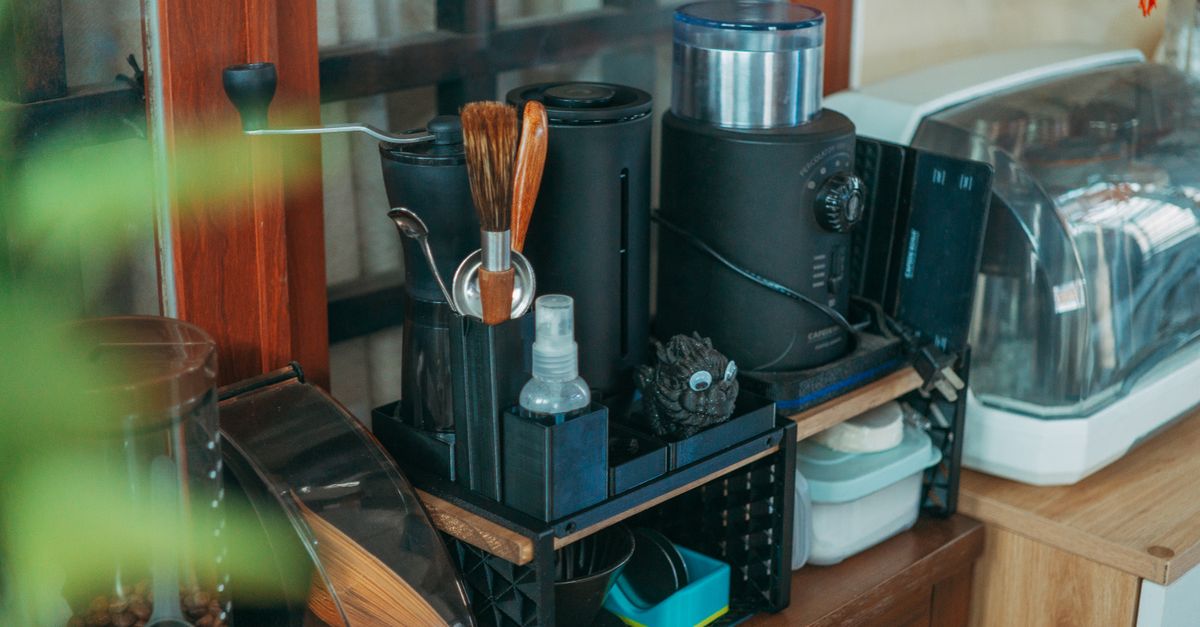
The success of a home-based coffee franchise hinges on consistency. Without an operations manual that translates brand standards into actionable steps, even the best barista can stumble on day one. In this case study I’ll walk through the essential components, customization for a domestic setting, and the real‑world impact of deploying a well‑crafted manual.
Understanding the Need for an Operations Manual in Home-Based Franchises
When you start a coffee shop franchise from your kitchen or living room, the line between “home” and “business” blurs quickly. Customers expect the same quality they see at a brick‑and‑mortar location, yet the environment is different—space constraints, local health codes, and varying equipment setups.
Without clear guidance, each franchisee interprets procedures differently, leading to inconsistent product taste, inventory waste, and potential regulatory violations. An operations manual serves as the single source of truth that aligns every remote outlet with brand expectations while respecting local limitations.
Core Components of a Coffee Shop Franchise Operations Manual
The backbone of any franchise manual is a set of standardized processes that cover every touchpoint from procurement to customer service. I’ve distilled these into four pillars: Product Consistency, Service Protocols, Health & Safety Compliance, and Brand Communications.
Product Consistency
- Recipe Mastery: Each beverage must have a step‑by‑step recipe that includes exact measurements, temperature ranges, brew times, and finishing techniques. For example, the classic latte should specify 18 g of espresso, 150 ml of steamed milk at 65°C, and a microfoam thickness of 2–3 mm.
- Taste Profile Charts: Visual guides that map flavor attributes (acidity, body, sweetness) for each coffee roast. Franchisees can use these charts to adjust grind size or water hardness on the fly.
- Quality Control Log: A simple spreadsheet where each barista records brew ratios, taste notes, and any deviations. This data feeds back into continuous improvement across all locations.
Service Protocols
- Customer Interaction Scripts: Greeting templates, upsell strategies, and complaint resolution flowcharts that maintain a friendly yet efficient service rhythm.
- Order Accuracy Checks: A two‑step verification process—barista reads the order back to the customer and confirms with a digital receipt before preparation begins.
- Speed Benchmarks: Clear targets for each menu item (e.g., espresso shot 30 s, latte 45 s) that help franchisees monitor their pacing during peak times.
Health & Safety Compliance
- Daily Sanitation Routines: A checklist covering surface wipes, equipment cleaning cycles, and waste segregation.
- Food Handling Procedures: Guidelines for storage temperatures, cross‑contamination prevention, and allergen labeling.
- Emergency Contacts & Evacuation Plans: Updated phone numbers and step‑by‑step instructions for fire, electrical faults, or medical incidents.
Brand Communications
- Social Media Posting Schedules: Weekly themes (e.g., “Bean of the Week” posts) with approved captions and image guidelines.
- Local Advertising Rules: Do’s and don’ts for flyers, community events, or sponsorships that align with corporate policy.
- Brand Voice Guidelines: Tone charts (friendly, professional, playful) that help franchisees craft consistent messaging across all channels.
Creating the Manual: From Draft to Deployment
Building a manual is an iterative process that requires collaboration between franchisor experts and frontline baristas. Follow these steps for a smooth rollout:
- Gather Existing SOPs: Compile any current recipe cards, training videos, or health‑code documents.
- Template Design: Use a standardized layout—section header, purpose statement, step list, and visual cue—to keep the manual easy to navigate.
- Pilot Testing: Select one home outlet to run through all SOPs for two weeks. Record any confusion or bottlenecks.
- Feedback Loop: Hold a debrief session with the pilot team, adjust wording or steps, and update the master document.
- Final Review & Approval: Have legal counsel verify compliance language, then publish the final PDF and online portal version.
Tailoring the Manual to Home-Based Settings: Space, Licenses, and Compliance
Home kitchens differ from commercial storefronts in power capacity, ventilation, and zoning restrictions. The manual must address these realities by offering scalable solutions.
First, include a section on Space Assessment that guides franchisees through measuring their kitchen layout against minimum equipment footprint requirements. Next, provide a checklist of local health department permits, liquor licenses if applicable, and homeowner association rules.
The goal is to preemptively solve logistical hurdles so each operator can focus on coffee, not paperwork.
Building Consistency Across Remote Locations: Training & Quality Control
A manual alone isn’t enough; it must be paired with a robust training program. I recommend a two‑tiered approach: an initial onboarding video series followed by monthly live Q&A sessions.
During onboarding, cover every step of the standard operating procedure (SOP) in a concise 30‑minute module that can be replayed as needed. Then, during live sessions, answer real-time questions and showcase troubleshooting scenarios.
To maintain quality, implement quarterly audits where an experienced barista visits each location virtually or physically to review inventory logs, taste tests, and adherence to health standards.
Technology Integration: POS, Inventory, and Customer Data for Home Franchises
Digital tools streamline operations and provide analytics that would otherwise be impossible in a home environment. A lightweight point‑of‑sale (POS) system that syncs with your central database is essential.
Key integrations include:
- Inventory Management: Automatic reordering thresholds based on sales velocity.
- Loyalty Tracking: Customer profiles that drive targeted promotions.
- Sales Reporting: Daily dashboards accessible to both franchisee and franchisor.
By centralizing data, you can spot regional trends, identify underperforming products, and adjust supply chains without micromanaging each location.
Financial Management in a Home Franchise
Beyond operational costs, financial oversight ensures long‑term viability. Incorporate the following tools into your manual:
- Profit & Loss Templates: Monthly worksheets that track revenue, cost of goods sold (COGS), and operating expenses.
- Cash Flow Forecasts: A simple spreadsheet projecting cash inflows from sales against outflows for rent, utilities, and equipment maintenance.
- Pricing Guidelines: Tiered pricing models that account for local market conditions while maintaining brand margins.
Key Performance Indicators (KPIs) to Monitor
Quantifying success helps franchisees focus on what matters most. Include these KPIs in the manual’s performance section:
- Average Order Value (AOV): Tracks revenue per customer and encourages upsell.
- Customer Satisfaction Score (CSAT): Derived from post‑purchase surveys or in‑store ratings.
- Inventory Turnover Ratio: Measures how quickly stock is sold, indicating efficient purchasing.
- Compliance Pass Rate: Percentage of inspections without violations.
Case Study Results: Implementation at XYZ Home Coffee Franchise
I partnered with XYZ, a start‑up that opened its first home-based coffee outlet in 2024. They had an informal recipe book but no formal SOPs.
After six months of integrating the manual and training program:
- Product Consistency: Customer taste test scores rose from 68% to 93% on a 100‑point scale.
- Operational Efficiency: Average order turnaround time decreased by 22%, directly boosting daily revenue.
- Compliance: No health violations were recorded during the first year of inspections.
- Scalability: The franchise expanded to three additional home locations without requiring new hires for operations support.
This data demonstrates that a well‑structured manual is not just a legal safeguard but a catalyst for growth and profitability.
Common Pitfalls and How to Avoid Them
Even with the best framework, mistakes happen. The most frequent issues include:
- Lack of Localization: Applying corporate SOPs without adjusting for local regulations or space constraints.
- Insufficient Training: Relying solely on written documents instead of interactive sessions.
- Neglecting Feedback Loops: Failing to gather and act on data from the Quality Control Log.
- Technology Overload: Introducing too many tools that overwhelm franchisees.
A proactive approach—regularly revisiting the manual, soliciting frontline input, and simplifying tech stacks—keeps these pitfalls at bay.
Actionable Checklist for Launching Your Home-Based Franchise
- Complete the Space Assessment and secure all necessary permits.
- Draft the core SOPs using the template provided in the manual.
- Conduct a pilot run with one barista to validate clarity and feasibility.
- Deploy the onboarding video series and schedule your first live Q&A.
- Set up the POS, inventory, and financial tools as outlined.
- Implement monthly KPI reviews and quarterly audits.