Which automotive repair franchises are best in 2026?
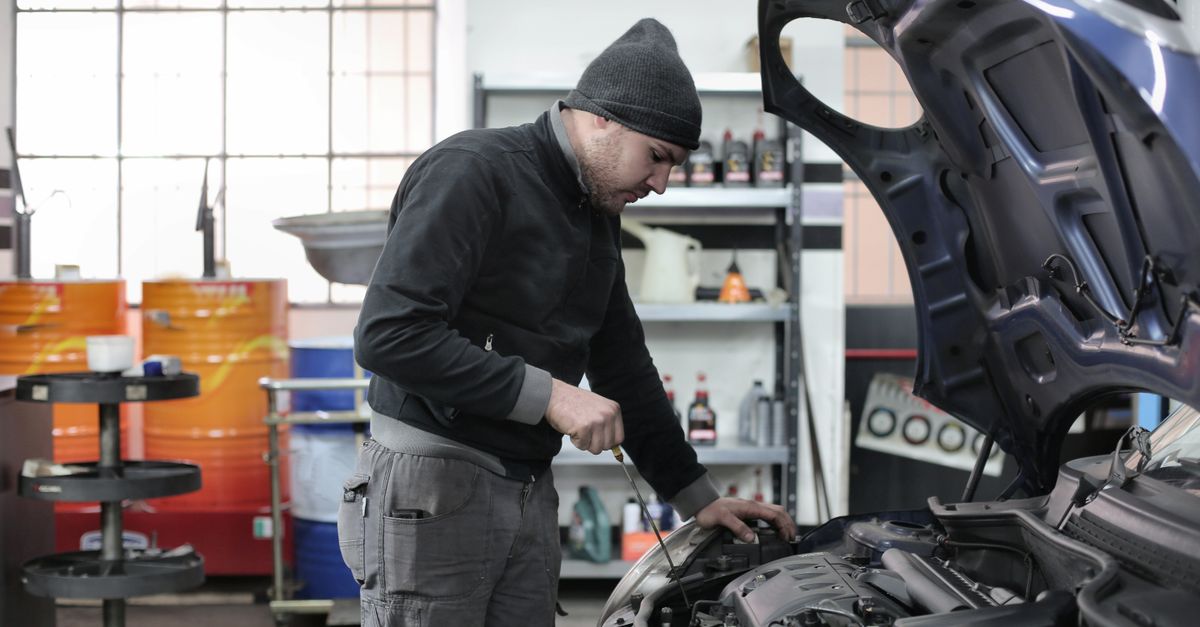
The automotive repair industry is a crowded field, but the right franchise can offer a proven business model, brand recognition, and support that turns a novice into a profitable shop owner. In 2026, several brands stand out for their track record, training programs, and financial flexibility.
With electric vehicles gaining market share and digital diagnostics becoming standard, franchises that embrace technology early tend to outperform those that lag behind. Additionally, consumer expectations around convenience—such as same‑day service or mobile repair—create new opportunities for franchisees willing to innovate.
Understanding the Automotive Repair Franchise Market
Franchising in automotive repair is not just about fixing cars; it’s a business model that blends standardized processes with local execution. The market has evolved to include specialty services such as hybrid/EV maintenance, collision repair, and mobile diagnostics. When evaluating options, you need to look beyond the headline numbers and assess how well a franchise aligns with your expertise, investment capacity, and long‑term goals.
Industry analysts project that the U.S. automotive service sector will grow at an annual rate of roughly 4% through 2030, driven largely by aftermarket parts sales and extended warranties. Franchise owners who adopt data‑driven workflow tools—like real‑time inventory dashboards or AI‑assisted diagnostics—often see a 15–20% increase in labor efficiency.
Key Takeaway
The best automotive repair franchise in 2026 is one that balances brand equity with a flexible support system, allowing you to adapt services to local market demands without sacrificing quality or profitability. It also offers clear pathways for scaling and technology integration.Top Franchise Brands to Consider
I’ve spent years researching and talking to owners across the country. Below are five franchises that consistently rank high in industry surveys and owner satisfaction scores.
1. Meineke Car Care Center
Meineke has been a household name since 1966, offering a full suite of maintenance services from oil changes to brake repairs. Its franchise model is highly scalable: owners can start with a single location or expand into multi‑unit operations.
The company provides comprehensive training through its Meineke Academy, covering everything from diagnostic software to customer service. Equipment procurement benefits from bulk purchasing agreements that keep costs low.
Financially, the initial investment ranges between $150,000 and $350,000, with a royalty fee of 6% on gross sales—a competitive rate compared to industry peers.
Owners also benefit from Meineke’s “Service‑Plus” package, which bundles discounted parts, extended warranties, and priority scheduling for technicians. The Academy’s hands‑on labs use real diagnostic tools that mirror the equipment you’ll deploy in your shop.
2. Midas
Midas is synonymous with brake and tire services but has broadened its scope to include engine diagnostics and full‑service maintenance. Its brand strength lies in long‑standing advertising campaigns that emphasize reliability.
Franchise owners receive a robust marketing toolkit, including local radio spots, digital ads, and social media templates. The support network extends to an online portal where technicians can access troubleshooting guides.
The franchise fee is $25,000, with ongoing royalties of 5% on gross sales. Midas offers a “Midas Advantage” financing program that covers a portion of the startup costs for qualifying owners.
Franchisees can also tap into Midas’ “Digital Workshop” portal, where live webinars cover emerging technologies like hybrid battery diagnostics and tire pressure monitoring systems. This continuous learning model keeps technicians ahead of the curve without costly travel.
3. Jiffy Lube
As one of the pioneers in quick‑change services, Jiffy Lube specializes in oil changes, filters, and basic maintenance. The brand’s focus on speed and convenience appeals to commuters and fleet operators alike.
The training program is concise—typically a week of onsite instruction followed by online modules. Equipment costs are moderate, with the option to lease machinery through the franchise network.
Initial investment averages $120,000 to $280,000, while royalties sit at 6% of gross sales. Jiffy Lube’s marketing support includes seasonal promotions and a loyalty app that drives repeat business.
Beyond quick‑change lanes, many Jiffy Lube locations now offer “Fleet Care” packages that bundle oil changes, inspections, and preventive maintenance for commercial vehicles, creating a steady revenue stream during off‑peak times.
4. Pep Boys
Pep Boys blends retail with service, offering parts, accessories, and maintenance under one roof. Its franchise model encourages vertical integration, allowing owners to profit from both sales and labor.
The company’s training includes supply chain management and inventory control, essential for balancing profitability with customer satisfaction. Pep Boys also offers a proprietary “Pep Power” financing solution tailored for small businesses.
Franchise fees are $30,000, with royalties of 5% on gross sales. Initial costs typically range from $200,000 to $400,000 depending on location and size.
The integrated retail strategy means shop owners can cross‑sell high‑margin accessories—such as performance chips or custom wheels—right after the service appointment, boosting average ticket size by up to 12% in pilot stores.
5. Firestone Complete Auto Care
Firestone’s strength lies in its comprehensive service offerings—from tire sales to full mechanical repairs. The brand benefits from a national advertising presence and strong local community ties.
Owners receive an integrated marketing strategy that includes digital ads, direct mail, and on‑site signage. Training covers advanced diagnostics and customer relationship management (CRM) tools.
The franchise fee is $25,000, with royalties of 5% on gross sales. Initial investment ranges from $170,000 to $350,000, depending on the scope of services offered.
Firestone’s “Complete Care” training includes a module on customer retention strategies, teaching owners how to turn one‑time visits into repeat business through loyalty cards and scheduled service reminders.
Franchise Trade Shows
Attending trade shows provides invaluable exposure to new technologies, supplier relationships, and industry trends. In 2026, the following events are must‑visits for automotive franchise owners:
Key Franchise Trade Show Events
- AutoCare Expo (Las Vegas) – Focuses on diagnostics tools and aftermarket parts.
- National Automotive Service Expo (Chicago) – Offers workshops on service automation and customer retention.
- EV Repair Summit (San Francisco) – Dedicated to electric vehicle maintenance best practices.
- Franchise Success Forum (New York) – Features keynote speakers from top franchise brands discussing growth strategies.
Each event includes breakout sessions where you can meet equipment vendors, learn about new software platforms, and network with fellow franchisees. I’ve attended the AutoCare Expo twice; the live demos of AI‑powered diagnostic tools were a game changer for my own shop’s workflow.
Before heading to these shows, it helps to set clear objectives—whether you’re scouting new equipment, seeking partnership opportunities, or gathering competitive intelligence—and prepare a concise pitch deck that showcases your current operations and future goals.
Franchise Management Tips
Running an automotive repair franchise demands disciplined operations. Below are actionable practices that help maintain consistency and profitability.
Essential Franchise Management Practices
- Create Standard Operating Procedures (SOPs) – Document every step from oil change to customer billing.
- Implement a Robust Inventory System – Avoid overstocking or stockouts by using automated reorder alerts.
- Focus on Staff Training and Retention – Regular skill updates reduce error rates and improve service quality.
- Leverage Data Analytics – Track key metrics such as average repair time, labor cost per job, and customer satisfaction scores.
- Maintain Strong Franchise Relations – Keep open communication with the franchisor for support and brand updates.
– Use local SEO, review management, and targeted ads to attract new customers. - Maintain Franchise Compliance – Regularly audit your shop against franchisor guidelines to avoid penalties and preserve brand reputation.
Implementing SOPs often starts with mapping the entire workflow—from vehicle intake to final billing—and then assigning clear responsibilities. An automated inventory system that flags low‑stock parts prevents costly last‑minute purchases. Dedicated training schedules keep technicians proficient in new tools, while data analytics dashboards reveal trends like labor time per service type, enabling continuous improvement.
Franchise Financing Options
Securing the right financing is critical for a smooth launch. Most franchises offer multiple pathways: traditional loans, SBA 7(a) or 504 programs, and franchisor‑backed funding.
Common Financing Pathways
- SBA 7(a) Loan – Up to $5 million with favorable interest rates for qualified owners.
- SBA 504 Loan – Ideal for purchasing equipment or real estate, offering low-interest long‑term financing.
- Franchisor Financing – Some brands provide in‑house loans or lease‑purchase options to reduce upfront cash flow pressure.
- Equipment Leasing – Allows you to use high‑end diagnostic tools without large capital outlays.
- Seller Financing – Rare but possible; the franchisor may finance part of the franchise fee.
- Personal Savings and Credit Lines – Many owners supplement loans with personal funds or lines of credit for flexibility.
If you choose an SBA 7(a) loan, start by securing pre‑approval from your bank, which typically requires a detailed business plan, financial statements, and a clear use of proceeds. The SBA will conduct its own review before the lender approves, often resulting in lower interest rates than conventional loans.
Franchisor financing can sometimes cover up to 50% of the initial franchise fee, but be mindful of higher repayment terms or equity stakes that may impact long‑term ownership.
When evaluating offers, compare APRs, repayment terms, collateral requirements, and any hidden fees. I’ve negotiated a 7(a) loan for my last franchise; the fixed-rate structure made budgeting straightforward even during seasonal dips.
In my experience, the most successful franchisees are those who treat financing like an investment in their future, not just a cost to cover. What specific challenges have you faced when choosing a franchise brand for automotive repair, and how did you address them?Ultimately, choosing the right automotive repair franchise is a blend of market insight, financial acumen, and a willingness to embrace evolving technology. With careful research and strategic planning, 2026 offers numerous pathways for aspiring shop owners to build profitable, community‑focused businesses.